

Defibrillators and the treatment of Sudden Cardiac Arrest have come a long way. From large, bulky devices on hospital trolleys — operated only by authorised doctors — to compact, lightweight units now found in workplaces, schools, sporting clubs and public spaces across Australia, designed to be used by anyone, with or without training.
Where It Started
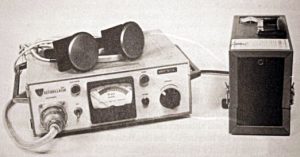
The Pantridge defibrillator, 1966
In 1966, Professor Frank Pantridge of Belfast developed the world’s first portable defibrillator — a device that weighed around 70kg and required a car battery to operate. It was revolutionary at the time, bringing defibrillation out of the hospital and into the ambulance for the first time. Today, a typical public-access AED weighs less than 1.5kg, fits in a wall cabinet, and costs a fraction of what early devices required to develop and build.
Where We Are Now
Today’s Public Access Defibrillators (PADs) and Automated External Defibrillators (AEDs) are compact, lightweight and designed to be used by anyone — including people with no medical training whatsoever. Every modern AED talks you through a Sudden Cardiac Arrest step by step, prompting each action and monitoring your progress. The device analyses the heart rhythm automatically and will only advise a shock when one is clinically appropriate. You cannot shock someone accidentally.
AEDs are now found in workplaces, schools, sporting venues, shopping centres, airports, trains and community spaces across Australia. The technology continues to improve with every new generation of device — better CPR feedback, longer battery and pad life, simpler interfaces and smaller form factors.
Where We’re Heading
The trajectory of AED development points toward devices that are smaller, smarter and even more accessible. Connected AEDs that alert emergency services automatically when activated are already available. GPS-enabled cabinets, real-time CPR coaching via smartphone apps, and drone-delivered AEDs in remote areas are all either in development or already being trialled in various parts of the world.
It is not unrealistic to imagine a future where a defibrillator is something you carry in your pocket — not much larger than a modern mobile phone. The Defibshop constantly reviews new models coming to market and will make new devices available as they are released and TGA-approved for use in Australia. Keep an eye on our website.
How to Choose the Right AED Today
With so many models now available, choosing the right one for your environment can be daunting. Carpet walks you through the key considerations below:
Ready to find the right AED for your needs?
Browse our full range of TGA-approved devices or call our paramedic team for personalised advice.
Or call 1300 729 575 — available 24/7
Defibshop — makes saving lives easy!
Australia’s No.1 Defibrillator Store